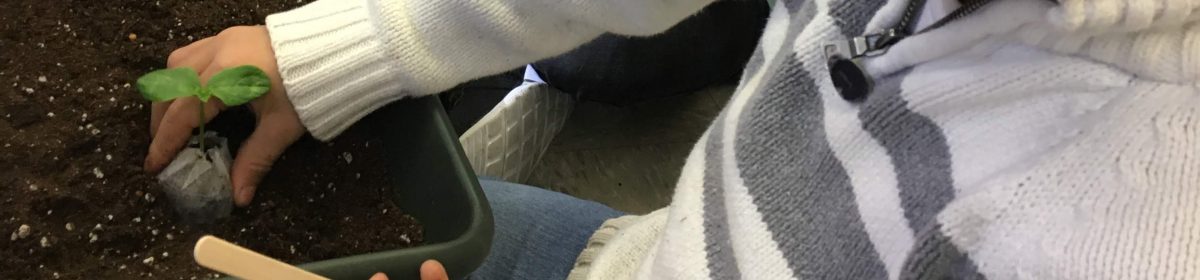
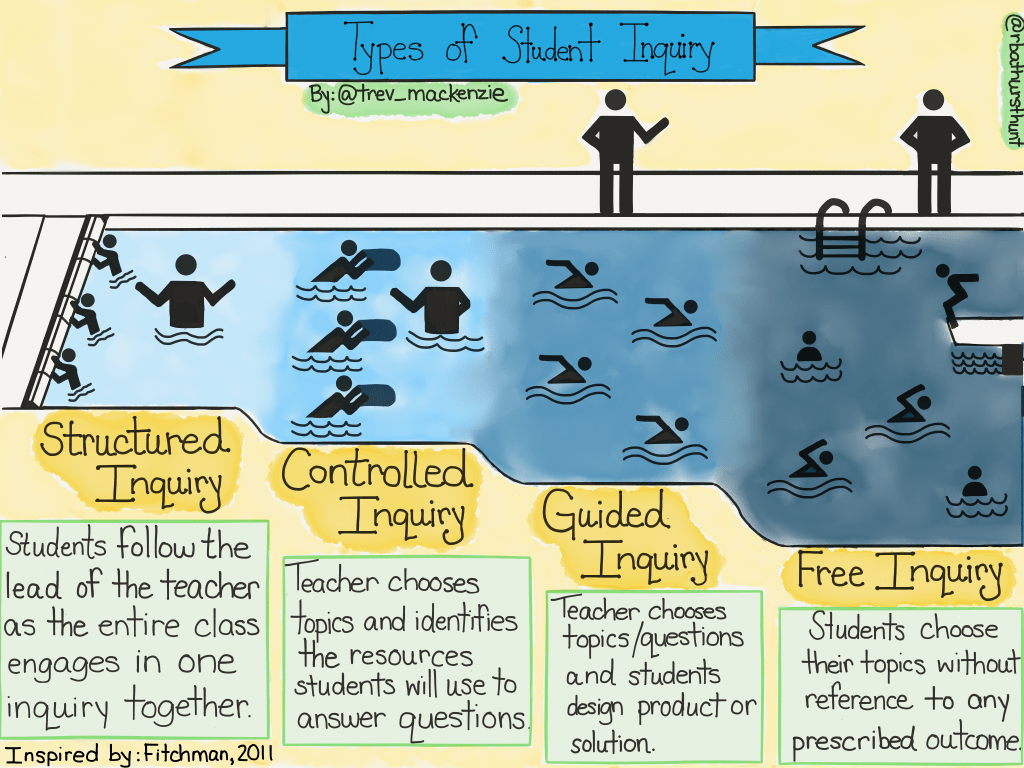
The best part of having a classroom garden is that it will drive inquiry-based teaching, bringing rich learning to your classroom. People often have misconceptions about inquiry-based teaching when they don’t understand its meaning. When engaging in hands-on, student-centred learning, it can be noisy and messy and, to the outsider, look out of control. Trevor MacKenzie has many books as well as his website that can help explain inquiry mindset to colleagues, parents, and even students. Inquiry is where the student has control and is the decision maker with the teacher acting as guide and facilitator. Students and teachers work together, each bringing their own expertise to the learning. This sketchnote image will help aid you in explaining inquiry learning.
How the garden connects to curriculum:
Science
- Growth and Changes in Plants
- structure
- seeds
- varieties
- germination time
- difference between fruit and vegetables
- Food biotechnology
- Soil in the Environment
- Properties
- Differences in soils
- Best growing matter
- Comparison of soil with and without additives
- Effect of weather
- Organisms in the soil
Mathematics
- Plant data
- Seeds
- prediction
- germination rates
- counts
- Food waste measurements
Writing
- Journal writing
- Tracking plant growth
- How-to’s
- planting the garden
- garden care
- harvesting
- Recipe book
Social Studies
- Early agriculture
- Local agriculture
- Foods in different cultures
- Natural resources
- Products from agriculture
- Indigenous plants
- Food security
Health
- Health benefits of fruit and veggies
- Food safety
- Understanding food labels
 Teaching From the Garden