What are you planting in?
For indoor gardening you want to use a growing media designed for planting indoors. We call ours soilless mix. While soilless mix looks like soil you would use in your outdoor garden, it’s not made up of the same constituents.
Garden soil is a combination of organic and non-organic material. It contains broken down rock, decaying animals and plants, and it has air and water in it. It has living things in it such as earthworms that help create healthier soil by eating decaying plant matter to create fertilizer and tunneling through the soil to aid with drainage. While this is good for outdoor gardens, you don’t want to use it in your classroom garden. This is because garden soil is more dense than the soilless mix we recommend and doesn’t hold as much air and water as your plants will need indoors, there could be insects, or seeds for unwanted plants, and even diseases.
For growing indoors you will want a growing media designed for indoor plants.
What is Soilless Mix?
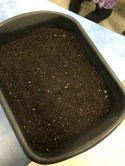
Every brand has its own name, what is important to look at are the ingredients of the mix. Remember that ingredients are listed in order from most to least. There are three main ingredients to look for when planting indoors. These are peat or sphagnum peat, which should be listed first, vermiculite, and perlite.
Peat retains water well but also drains well so your plants will not be too damp at the roots. Other things are added to the peat to make it the ideal growing medium.
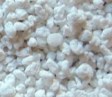
Perlite looks like soft, white pebbles. It is a volcanic mineral that aids in water retention and drainage.
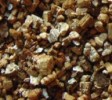
Vermiculite is a natural mineral which helps improve soil structure and encourage germination.
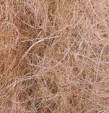
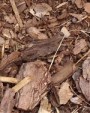
Other ingredients that might be on the list are coir and forest by-products. Coir is a coconut fibre made from ground up husks of coconut. It retains moisture and helps provide a good growing environment. And, bonus, it’s sustainable! Bark is sometimes added to create air space in the mix.
Generally speaking, for your indoor garden, any mix that indicates it is for container gardening or hanging baskets is suitable. These bags will feel lighter than comparable size bags of topsoil. For indoor growing, avoid mixes that contain topsoil, sand, clay, rock, or anything that indicates it is partially composted. Topsoil is not sterile and may contain the seeds from weeds, sweepings from stables, or manure. Sand, clay, and topsoil are much denser than soilless mix and don’t allow for the drainage and root movement that is required for indoor container gardening.
 Teaching From the Garden