
An indoor classroom garden can be as simple or as complex as you want it to be. You need to have a container to plant in, a light source designed for indoor gardens, seeds, growing media, a watering can, and a mist bottle.
 The first thing you will want to do is select a location for your garden. Though the sizes of gardens may vary, there are several things you will want to ensure you have.
- Dedicated outlet for plugging in your lighting system whether that’s a single garden lamp or a complex system with a fan.
- Your location should be draft free. Near a window isn’t always the best choice!
- Check with your custodian so that the location of the garden doesn’t interfere with the cleaning of your classroom.
Containers for Gardening
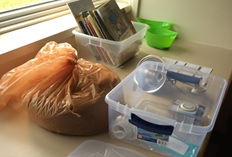
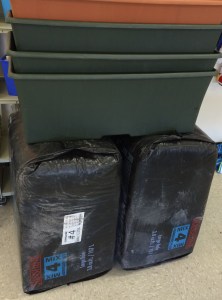
You can start very small, with a plastic tub to grow herbs or microgreens. There are a variety of fancy plant pots you can buy, but you can plant in just about anything. I’ve started a small herb garden in a plastic tub that I bought at the grocery store. Depending on your plans, you may want to drill drainage holes in the bottom of the tub and sit your garden on a small tray to catch the extra water.
I have used Earth Boxes® which you can purchase at hardware stores or directly from the Earth Box site. This is not an affiliate link, but I do really like this product for planting, especially with children.
I use the standard earth box, but because I’m planting indoors, I only use the blanket when my direct sow seeds are germinating. I remove it when the first shoots come up.
Here’s how the system works (click for a larger image):
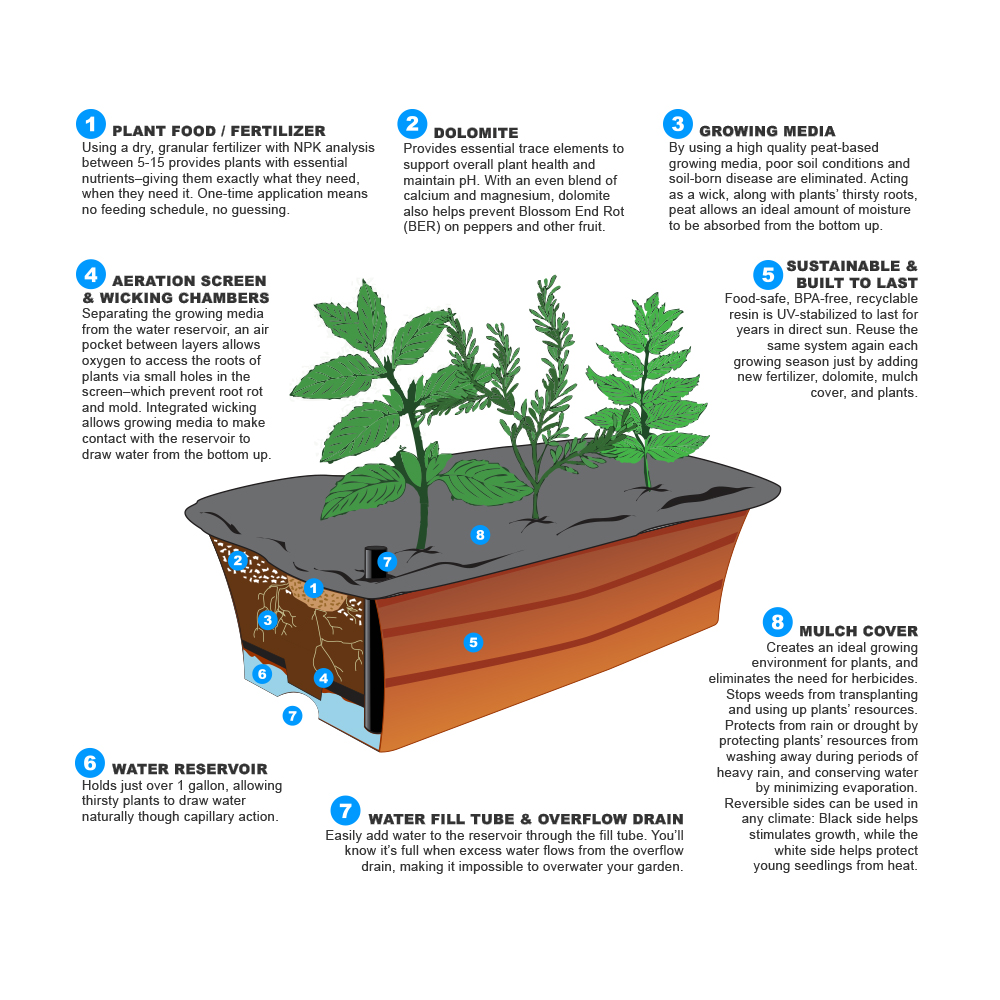
Used with permission.
Let There Be Light
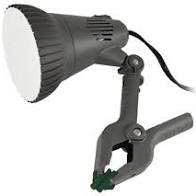
There are a wide variety of clip-on lights, and they often have an adjustable goose-neck for perfect positioning. Some grow lights have multiple heads for larger indoor gardens, but if all you want is a small start up, a single headed clip-on light is sufficient. Check with your local garden centre or hardware store for your best options.
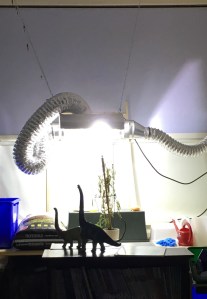
In my classroom, I have a more complex lighting set up. I have a full spectrum metal halide 600 watt bulb, a cooling fan, foil ducting and duct clamps, chain and S-hooks for hanging my light, a reflector, and an external ballast. I also have a power surge protector to plug my light into, and a timer.
What Are We Planting?
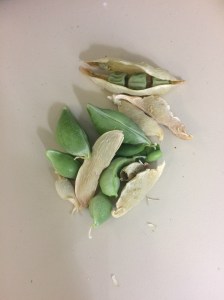
Next, you will need seeds and soilless mixture. You can buy your seeds at any garden centre or hardware store, and year to year, save them from your garden.
If you are doing small container gardening, you will want to plant herbs or microgreens. Herbs such as basil, chervil, and cilantro grow well from seeds. You might want to start with cuttings or small purchased plants if you are growing herbs such as rosemary, chives, oregano, thyme and mint, though we have started all of our herbs from seeds. Microgreens are immature greens that you cut from the plant with scissors about a month after they germinate. What can be grown as microgreens? Lettuce or salad mixes, leafy vegetables, even edible flowers such as nasturtiums all work well as microgreens.
For larger indoor gardens, you can grow all the things you would normally grow in your outdoor garden, such as lettuce, spinach, carrots, radishes, peas, cucumbers, tomatoes, peppers, beans, squash, herbs, and edible flowers.
What is Soilless Mix?
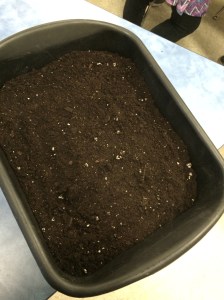
Soilless mix looks like soil but it really a mix of different organic matter; usually peat, wood chips, perlite, and vermiculite. There is also inorganic material in it, often silt or sand, maybe even clay. While garden soil is good for outdoor plants, you don’t know what you’re getting in it. There could be insects, seeds for unwanted plants, even diseases. Soilless mix is good for growing indoors because it will be free of bacteria and it is sterile. You can make your own soilless mix, or you can purchase it from a garden centre. It is often labelled “potting soil”.
Why Use Soilless Mix?
With a soilless mix you have the control. The main ingredient is usually peat (also known as sphagnum peat moss or sphagnum peat). Peat retains water well but also drains well so your plants will not be too damp at the roots. Other things are added to the peat to make it the ideal growing medium. Perlite looks like soft, white pebbles. It is a volcanic mineral that aids in water retention and drainage. Bark is sometimes added to create air space in the mix. Vermiculite is a natural mineral which helps improve soil structure and encourage germination.
More information on soilless mix, including a way to make your own growing media!
Watering Your Garden
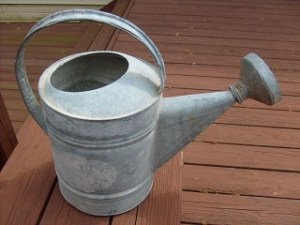
It’s best to have a watering can that has a removable “rose” on the end of the spout. When you are watering the full garden you can leave the rose on to get the best coverage. If you are using containers that are self watering, you will want to remove the rose when filling the container’s reservoir.
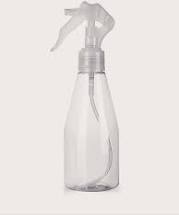
A spray bottle for misting your garden may also come in handy. There are no special spray bottles required, a plastic one that you can purchase at a discount store works very well.
 Teaching From the Garden